

At Dementia Alliance of North Carolina, everything we do is about connection, helping caregivers feel seen, supported, and less alone.
Sometimes, the most powerful way to do that is simply by sharing a story. This year, a group of dedicated volunteers stepped forward to do just that. They gave their time, their voices, and their personal experiences to help other families across North Carolina feel understood and supported.
These videos aren’t just content. They are moments of honesty, compassion, and connection. Because when we show up together, we remind every caregiver in North Carolina: you are not alone.
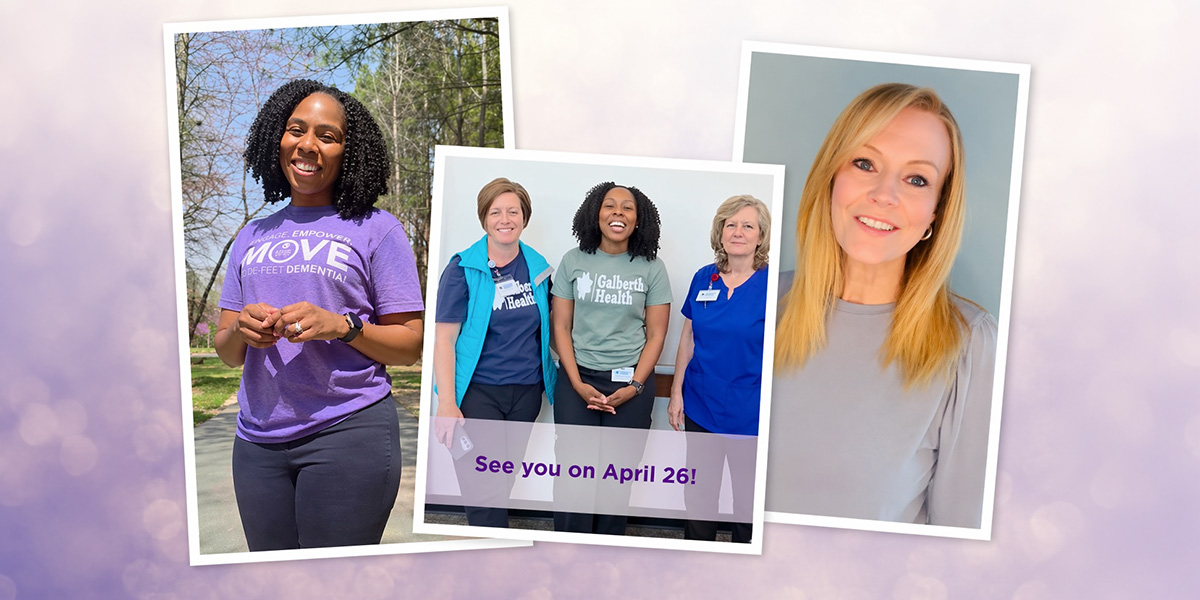
Latoya Galberth, MS, OTR/L, CDP
CEO, Galberth Health | DANC Board Member
Latoya brings both professional expertise and deep compassion to her work with families navigating dementia. That is why she’s walking, honoring the families she serves and encouraging others to do the same.
Watch Latoya’s Story:
A Care Team in Action
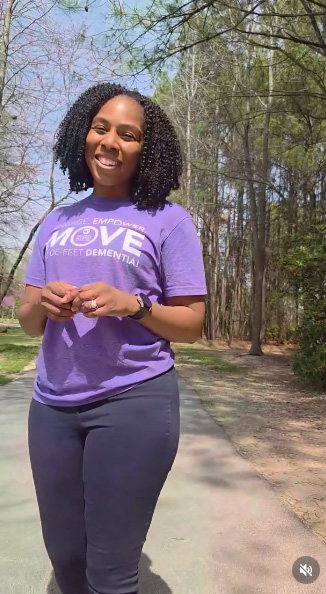
Latoya Galberth, MS, OTR/L, CDP
Sandy Christos, SLP, Certified Dementia Practitioner
Sonia Stotsky, DPT, Certified Dementia Practitioner
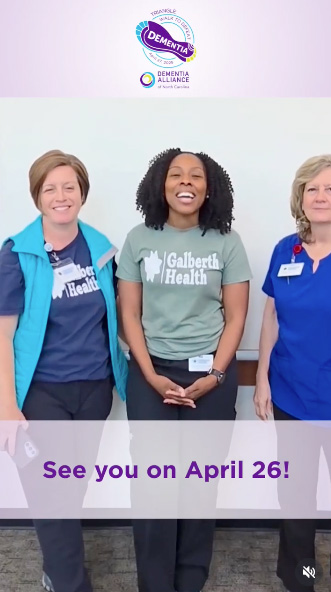
This team at Galberth Health reflects the spirit of our Walk to Defeat Dementia, bringing together families, professionals, and community members to stand with caregivers and walk alongside them.
Watch the Care Team Story:
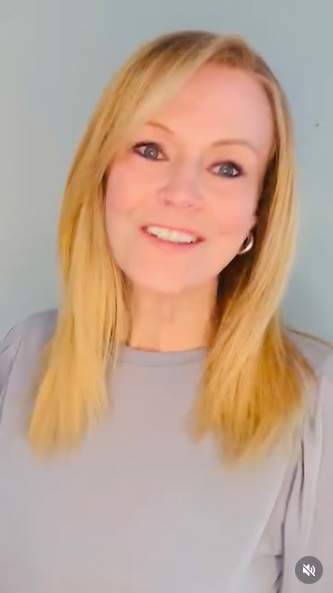
Shannon Tipptee Newcomb
Business Development Manager, Right at Home of The Triangle
Shannon’s energy and commitment to families shine through in her video. Thank you for sharing your story!
Watch Shannon’s Story:
Join Us at the Walk to Defeat Dementia
📍 Fenton, Cary, NC
📅 Sunday, April 26, 2026
🕐 1:00 – 4:00 PM
🐾 Pet friendly | Rain or shine
When you walk, you’re doing more than showing up for a day. You’re helping provide real support, education, resources, and connection for families across North Carolina. You’re helping ensure that no caregiver has to navigate this journey alone.
Thank You to Our Volunteers
To Latoya, Sandy, Sonia, and Shannon—thank you.
Thank you for showing up.
Thank you for sharing your stories.
Thank you for helping other families feel seen, supported, and understood.
Because of you, more caregivers will find a connection. More families will find support. And more people will know where to turn when they need help.