

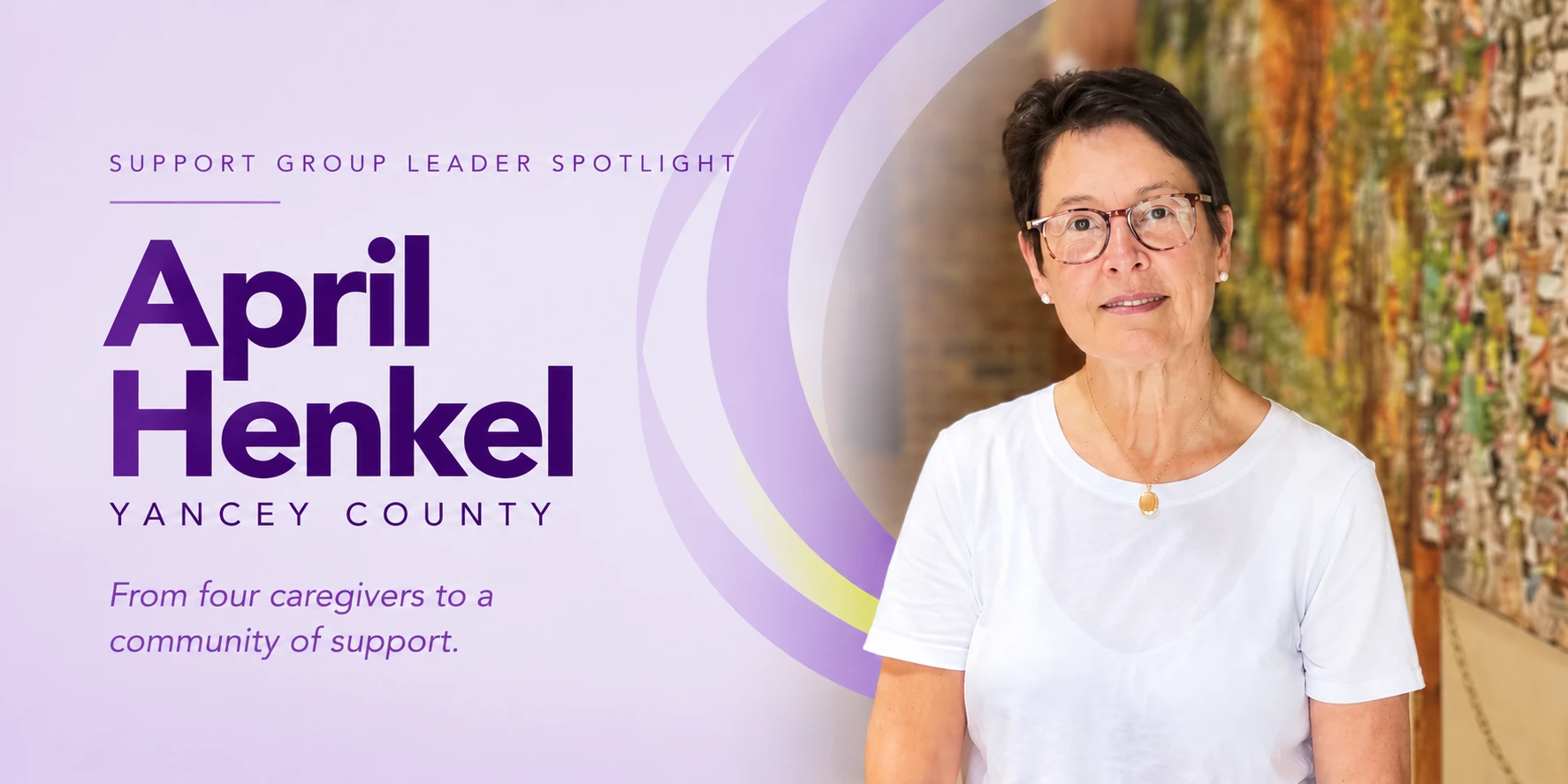
From Four Caregivers to a Community of Support: How April Henkel Is Making a Difference in Yancey County
When April Henkel helped organize a dementia education workshop in Yancey County in 2022, she didn’t know it would grow into a support network for families across western North Carolina.
At the end of that first workshop, a caregiver followed April and another volunteer into the kitchen. He kept repeating one message: “What we really need here is a support group.” They listened. And a few months later, Dementia Caregivers and Friends held its first support group meeting with just four people.
Today, the group welcomes an average of 14 caregivers each month, offers activities for people living with dementia, hosts educational workshops, and is helping neighboring counties build similar programs.
And those original four caregivers? They are still involved, now serving in leadership roles even after their loved ones have passed away. For April, it’s proof that a small group of committed people can make a lasting difference.
That’s what keeps her going as an ambassador today, knowing that with DANC, she can connect the people in her life to exactly what they need.
Building More Than a Support Group
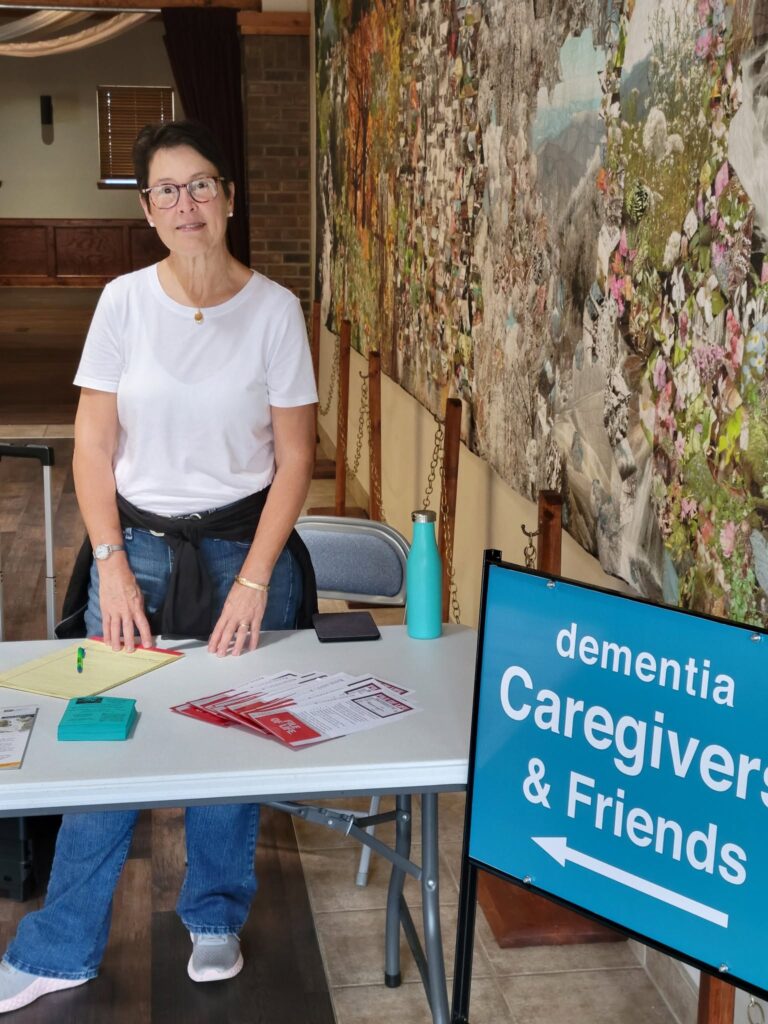 Dementia Caregivers and Friends began with a simple goal: make sure families in Yancey County have somewhere to turn for help. The group’s name reflects an important belief. Caregivers need support, but so do the friends, neighbors, and community members who want to help them. Volunteers organize and operate it all.
April explains that when people don’t understand dementia or know how to help, they may become uncomfortable and pull away. Education gives them the confidence to stay connected. That belief has shaped everything the organization does.
Along with its monthly support group, Dementia Caregivers and Friends offers:
- Coffee Club: A monthly activity program for people in the early stages of dementia, held at the same time as the caregiver support group.
- Friends Cafes: Four social gatherings each year where people living with dementia and their caregivers enjoy meals, music, activities, and time together.
- Educational workshops: Annual events that connect families with dementia experts and local resources.
- Monthly newsletters: Short, practical tips on caregiving challenges, upcoming events, and available resources.
- A library resource corner: A welcoming space with books and information caregivers can use.
Finding Solutions by Listening to Caregivers
One of April’s biggest lessons as a support group leader is that caregivers don’t always tell you what they need directly. Sometimes, you discover those needs through simple acts of kindness. When the group first started, refreshments were limited to pound cake and coffee. Then volunteers from a local church offered to help.
They arrived with far more food than April expected. But something unexpected happened. Caregivers began taking leftovers home.
One thanked the volunteers because they hadn’t known what to make for supper. Another explained that his wife had always done the cooking, but now that she was living with dementia, he was struggling. April and the other volunteers realized they had uncovered an unaddressed need.
Now, sharing food is a regular part of their gatherings. Caregivers, people living with dementia, and volunteers enjoy refreshments together before splitting off to their activities.
The lesson for other support group leaders? Pay attention to the little things. Sometimes the most meaningful support comes from meeting a need you didn’t even know existed.
When a Hurricane Changed Everything
In September 2024, Hurricane Helene devastated communities across western North Carolina.
April knew caregivers would still need support, perhaps more than ever. But with damaged roads, displaced families, and disrupted care arrangements, attending a support group could become even harder. So the volunteers launched Coffee Club in October 2024, allowing caregivers to bring their loved ones to the same location and participate in separate activities.
The first Coffee Club had a particularly meaningful project. People living with dementia worked alongside volunteers to assemble flood cleanup buckets filled with supplies for neighbors affected by the storm. Others made encouragement cards to include with the buckets. It was a reminder that people living with dementia still have much to contribute and deserve opportunities to participate in meaningful activities.
Today, Coffee Club welcomes an average of six participants each month. Activities are designed around participants’ interests and abilities, and one member living with dementia even helps plan the monthly themes and decorations. April emphasizes that everyone is treated as a friend, not defined by a diagnosis.
The Power of Showing Up, Month After Month
For April, consistency is one of the most important parts of leading a successful support group.
She remembers one caregiver who initially wasn’t sure why he had come. “I don’t really know why I’m here, but I think I need some support and I need some help,” he told the group. Over time, he discovered something valuable about listening to other caregivers. He might hear someone discuss a challenge that didn’t apply to his family at the time. But months later, when his wife’s needs changed, he remembered that conversation. The information was there when he needed it.
He has continued attending the group, and his wife participates in Coffee Club. April says he has become an important source of encouragement for other caregivers. At a recent meeting, he reflected on his relationship with his wife, saying, “I think we love each other more.”
For April, moments like that show why support groups matter. They aren’t simply places to exchange information.
They’re places where relationships grow, people learn from one another, and caregivers find connection through every stage of their journey.
Keeping Volunteers Engaged and Preparing for the Future
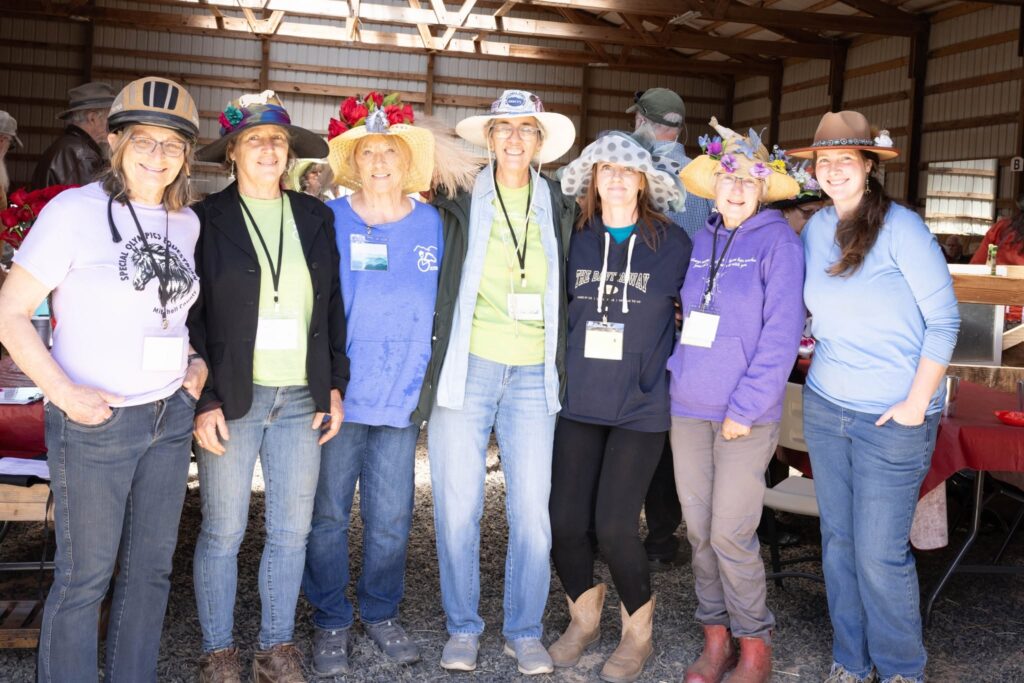 When asked what has kept Dementia Caregivers and Friends going, April’s answer is simple: passionate volunteers. Many have personal caregiving experience. Others bring professional skills or simply a desire to help their neighbors. But April also knows that passion alone isn’t enough to sustain a program.
As the organization grows, the team is working to make sure its services can continue even when individual volunteers need to step away. Six volunteers have completed Dementia Alliance of North Carolina’s (DANC) support group facilitator training, allowing them to share leadership responsibilities and cover for one another. The group is also documenting how its programs work so that new volunteers can step into leadership roles.
“I need to step back, but not before other people can step in,” April explains. It’s an important reminder for every support group leader: Building a strong group also means building a team that can carry it forward.
You Don’t Have to Have Every Answer
Despite the group’s success, April says one of her greatest challenges is the lack of local dementia care services. Yancey County has limited respite options and no adult day care program. That makes it hard to connect families with the hands-on help they need. Rather than trying to solve every challenge themselves, April and her fellow volunteers focus on what they can provide: education, connection, practical guidance, and referrals to trusted resources.
One trusted partner is Dementia Alliance of North Carolina. April says DANC’s facilitator training helped establish a strong foundation for the support group. Just as important has been the ongoing relationship with DANC staff, especially Dee Dee.
When April encounters a caregiving challenge, whether it’s helping someone manage hallucinations or exploring the possibility of a support group for people living with dementia, she knows she can reach out. “It’s great to know that Dementia Alliance is one of my go-to places for more than I can find myself,” she says.
She values knowing that the resources she receives are reliable and that DANC understands the needs of smaller, rural communities. “They never make us feel like we are too little to count.”
Sharing What Works Across Western North Carolina
Yancey County’s success is now inspiring similar efforts in neighboring communities.
With support from the High Country Area Agency on Aging and a grant from Dogwood Health Trust, efforts are underway to bring programs modeled after Dementia Caregivers and Friends to Mitchell and Avery counties.
April quickly points out that no two communities or support groups are exactly alike.
What works in Burnsville may need to look different somewhere else. But the lessons learned over the past several years, from recruiting volunteers to planning activities and building partnerships, can help other communities get started. And April and her team are happy to share what they’ve learned.
April’s Advice for Fellow Support Group Leaders
April’s experience offers several practical lessons for anyone leading or starting a dementia caregiver support group:
- Start with education. Workshops and educational events can help caregivers recognize their own experiences and understand why a support group might be valuable.
- Listen for unmet needs. A casual comment about dinner or difficulty finding respite may reveal an opportunity to make caregiving a little easier.
- Build a committed volunteer team. Invite people with different backgrounds and experiences to contribute, and give them opportunities for training.
- Create ways for people living with dementia to participate. Social activities and shared experiences can help families stay connected to their communities.
- Plan for the future. Train more than one facilitator and share responsibilities so the group can continue through leadership changes.
- Lean on trusted partners. You don’t have to know everything. Organizations like Dementia Alliance of North Carolina can provide training, resources, and guidance when new challenges arise.
The Relationships Make It Worthwhile
 After more than 40 years working in aging services, April could have spent her retirement doing something entirely different. Instead, she continues giving her time to families in her community because she sees how much that support matters.
When asked about the best part of being a support group leader, she doesn’t mention the programs, the workshops, or the growth. It’s the friendships.
“The friendships that I’ve created with caregivers,” she says, along with the relationships with people living with dementia and everything they’ve taught her about life, empathy, and connection.
April knows that a dementia diagnosis changes relationships, but it doesn’t have to end them. With understanding and support, friends, neighbors, and families can keep sharing meaningful experiences.
That’s the heart of Dementia Caregivers and Friends. April may describe the friendships as her greatest reward, but the caregivers clearly value those relationships just as much. One caregiver summed up their gratitude in a simple message:
“Thanks for all the useful information you share with us and the time and energy you spend helping to make dementia care easier to understand and implement. You are a treasure!”
What began with four caregivers around a table has grown into a community where people show up for one another, share what they’ve learned, and make sure no family has to navigate dementia alone.
Connect With April and Dementia Caregivers and Friends
Dementia Caregivers and Friends meets on the fourth Thursday of each month at 1 PM at First Baptist Church in Burnsville, North Carolina. Learn more at dementiacaregiverswnc.org.
Are you a support group leader looking for new ideas? April and her team welcome opportunities to connect with other Dementia Alliance of North Carolina facilitators and share their experiences, resources, and lessons learned.
Whether you’re just getting started or looking for ways to strengthen an established group, their story is a reminder that you don’t have to build something meaningful alone.